Insert Molding Best Practices for Critical Applications – Part 1
Comments Off on Insert Molding Best Practices for Critical Applications – Part 1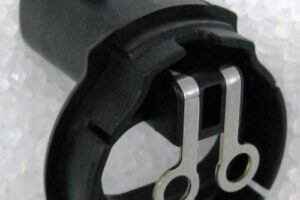
Insert molding is a type of injection molding method that allows a pre-formed metal component to be placed within the molded part. A great example is a battery connector – where the metal is required for conductivity, while plastic offers design flexibility. Designing insert molded parts and processes for more demanding applications is not without its challenges. This is especially true when considering the several variables involved such as material types, positioning of the insert, thermal considerations, and quality assurance. In this two-part blog series, we’ll review each of these considerations, and how to best optimize them for long lasting performance and reliability.
As with all injection molding, both part and mold design are critically important for part success. This is particularly true for mission critical components in demanding applications such as steel blades in medical instruments or reinforcement studs in aerospace components. Since failure can result in safety hazards or premature part failure, engineering becomes more complex than standard injection molding.
Metal Insert Selection
As you can imagine, selecting the right metal for the job is another crucial aspect. Ultimately, the material selection must balance several competing requirements that are specific to the application. While there are many to select from, below are a few of the more popular ones for insert molding:
- Thermal Stability – metals must withstand the high temperatures of the injection molding process, which can range from 400-600° or higher. Brass and stainless steel both perform well here, but end-use factors come into play. When considering mechanical loads, environmental threats, and electrical/conductivity requirements, brass and stainless often fall short.
- Electrical Requirements – for high current applications, copper alloys are often selected due to their excellent conductivity, despite their higher thermal expansion coefficients.
- Weight Considerations – certain applications, particularly those in aerospace and defense, are weight-sensitive. The goal is to have the lightest components possible without sacrificing performance. Aluminum serves weight critical applications quite well, however galvanic compatibility must be carefully considered. This is particularly challenging when dissimilar metals may come into contact within the presence of moisture or certain chemicals. For instance, you wouldn’t want an aluminum insert in a brass housing. This is a recipe for failure, as the aluminum will surely corrode.
Surface Treatment
While surface treatment is often an aesthetic consideration, for insert molded parts, it’s very much a function of performance. Surface treatment must meet the stress demands that the part will be subjected to. If there is particular concern that the insert might loosen or pull out, knurling works well to prevent this. Knurling leaves a textured pattern of ridges grooves, or cross-hatching, giving the part gripping strength. Once the plastic cools around the knurled insert, it creates a “mechanical lock”, which prevents it from slipping out.
Chemical Compatibility
Another key factor for long term insert molded part reliability is making sure that your components are prepared to stand up to the chemicals they will be exposed to throughout their life. This goes beyond the obvious resin-metal interaction during molding. You must consider long-term exposure to operating fluids, cleaning agents, and other environmental contaminants. Then make material selections and insert placement decisions accordingly.
To Be Continued…
Material selection, surface treatment, and chemical compatibility are just three of several key considerations for demanding insert molding components. Check out the second part of this blog where we cover insert placement strategy, thermal considerations, and quality assurance.
Have A Question About a Demanding Insert Molded Part or Assembly?
Contact our sales engineering team, they’ll be happy to look at your requirements and recommend a great solution.